
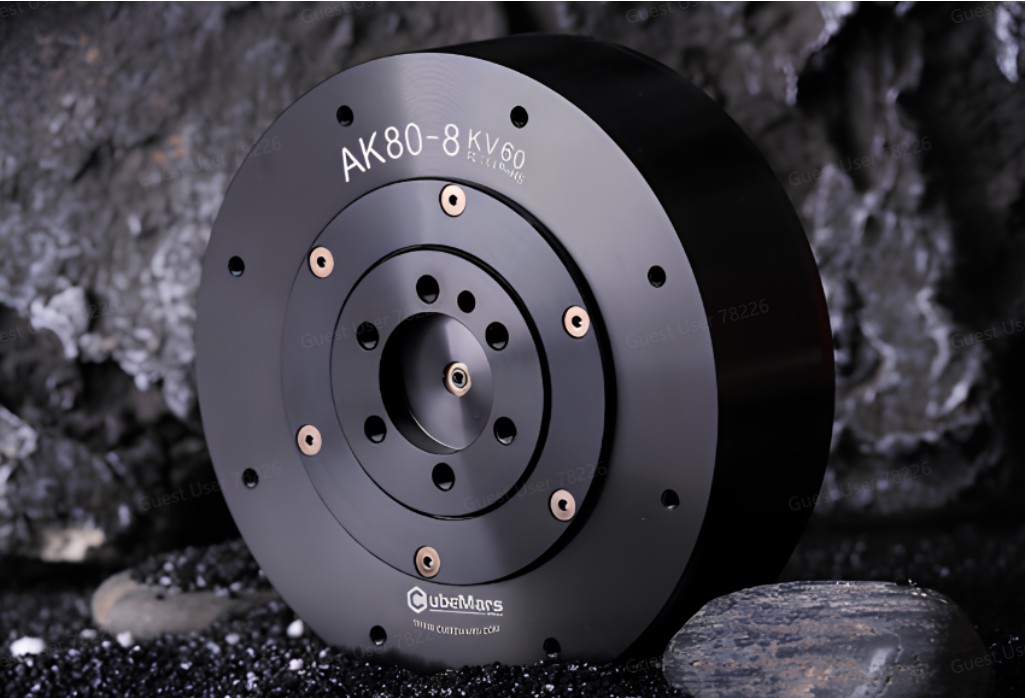
Wearable technology in medicine is revolutionizing the delivery of mobility assistance, rehabilitation, and physical support. From gait assistance devices to rehabilitation systems, wearable robotics are becoming lighter, smarter, and more responsive. The most important component of these systems is the actuator, which produces controlled motion. Wearable devices need to provide assistance to natural joint motion, stable operation, and precise motion, simultaneously keeping the user comfortable, and a high-efficiency motor is required to achieve this. Choosing the correct actuator design can be a key factor in enhancing the performance and durability of today’s medical wearables.
1.Why High-Efficiency Actuation Matters in Medical Wearables
Medical wearables run in direct contact with the human body, and efficiency is far more important than simply generating high torque. All movements should be fluid, consistent and coordinated with natural human movement. If the weight is excessive or the response is slow, or if power output is unstable, comfort may be sacrificed, and the overall performance of the device may be impacted.
Robotic actuators with high efficiency minimize the use of unnecessary energy and provide a consistent mechanical output. This enables wearable systems to run for extended periods without needing to connect to a power source and to produce less heat when in constant use.
Wearable technology with modern actuator technology integrates a compact mechanical design with intelligent electronic control to ensure that the device responds rapidly to varying movement conditions. This combination is suitable for rehabilitation exercises, walking assistance, posture support, and repetitive medical training, where precision is of key importance in all phases of the movement cycle.
2.Design Characteristics That Improve Wearable Robotics
It’s not just about a strong motor for medical exoskeletons. They require an all-in-one motion solution that offers size, responsiveness, durability and ease of installation.
Many of today’s robotic actuator modules combine multiple components within a single compact package, such as the brushless motor, planetary gearbox, encoder, and drive electronics. This built-in architecture minimizes wiring complexity and maintenance and assembly.
Important Features for Medical Wearables
-
Compact dimensions reduce overall wearable weight.
-
High torque density supports powerful joint assistance.
-
Fast dynamic response improves natural movement.
-
Plug-and-play integration simplifies installation.
-
Intelligent protection improves operational reliability.
Such properties make it possible to develop thinner frames for wearables, while maintaining the mechanical properties. This leads to a more balanced medical device, which moves reliably during long operation periods.
3.Exoskeleton Motor Technology Supports Precise Human Motion
High-performance Exoskeleton Motor powers Wearable Robotic Joints. These actuators are designed to mimic the smooth and deliberate motion associated with human interaction, unlike traditional industrial motors.
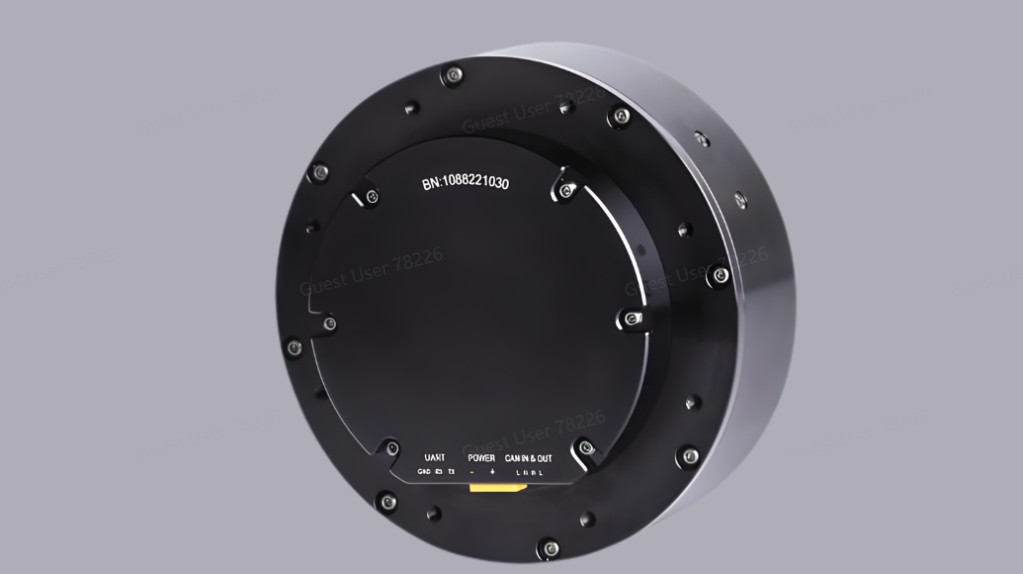
In the medical field, many wearable systems need to be coordinated in the action of several joints. Synchronization of hip, knee or ankle joints requires accurate motor control and position feedback. Multi-loop control modes that simultaneously control position, speed, torque and hybrid motion are the key to achieving this with advanced actuator systems.
Dual encoder feedback also adds to positioning accuracy by tracking movement on both the motor input and output. This extra information enables wearable devices to better adjust to varying loads and provide assistance that is smoother over the course of the user’s movement cycle.
CubeMars has been able to develop integrated actuator platforms specifically for wearable robotics, thanks to the manufacturers, which feature compact construction, high torque density, and fast response characteristics, ideal for rehabilitation systems, mobility assistance, and advanced medical research.
4.Integrated Actuator Features That Improve Medical Device Performance
The new generation of robotic actuators combines intelligent electronic elements with mechanical precision, making it easier to develop a system and ensuring higher operational stability.
A number of actuator models used in wearable robotics include automatic parameter identification, adaptive control algorithms and multiple operating modes, which decrease the complexity of commissioning. Developers can set up systems more efficiently without a great deal of manual tuning and ensure uniform motion quality.
Functional Advantages of Integrated Actuators
-
Servo and force control operating modes.
-
Position, speed, torque, and hybrid motion control.
-
Adaptive PID parameter identification.
-
Real-time operating status monitoring.
-
Built-in protection against overcurrent, overheating, and abnormal voltage conditions.
Medical wearable devices are especially useful when they are protected by integrated protection systems, which can ensure they operate properly at different levels of loading and during repetitive movement. These features, along with reliable communication interfaces, help ensure consistent long-term performance during rehabilitation or assisted mobility activities.
5.Selecting the Right Exoskeleton Motor for Different Medical Applications
When deciding on the Exoskeleton Motor to be used, it is important to consider the mechanical requirements of the wearable system and not just the most powerful motor available.
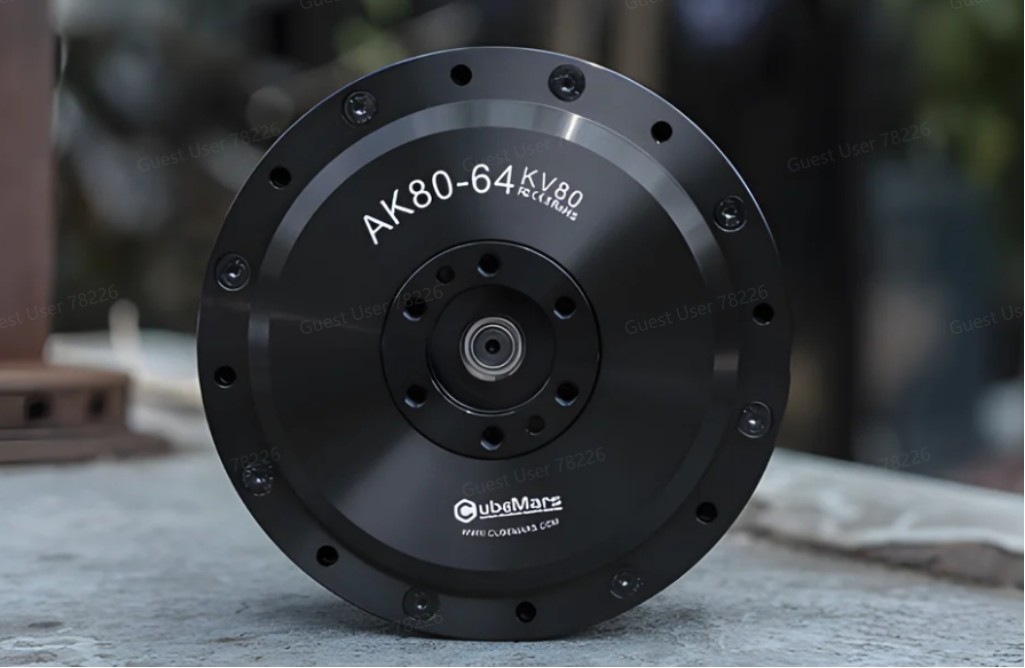
Compact actuator modules with fast response and well-balanced torque output are often used in lightweight rehabilitation devices. Systems that need more joint assistance can take advantage of actuator designs with higher gear ratios and more peak torque and still maintain a high level of accuracy.
For instance, integrated actuator families have a variety of configurations to meet various engineering needs. Some models have lower reduction ratios for faster dynamic response, and others have higher ratios for more torque performance for hard joint assistance. Some designs also feature cross-roller bearings for enhanced impact resistance, which makes them suitable for repetitive cycles of motion as in wearable robotic joints.
The communication interfaces include UART and CAN, which allow for easy integration with wearable control systems for coordinated movement of multiple joints in a medical exoskeleton.
Engineers don’t need to compromise by choosing a single actuator design, but can choose configurations that are best suited to the intended use of the joint, the space available for installation, the desired motion characteristics, and the requirements for system control.
6.How Intelligent Control Improves Safety and User Comfort
Medical wearable robotics should be able to adapt naturally to varying movement conditions. Sudden acceleration or slow response can have a negative impact on comfort and the ability to assist movement.
Modern actuator systems provide enhanced interaction by using intelligent control software that can switch between several operating modes according to the application needs. Position control allows precise motion of the joints, torque control allows the control of the level of assistance, and hybrid control integrates several parameters to achieve more adaptable performance.
Real-time monitoring enables the system to constantly assess the operating state and react to the fluctuating mechanical conditions in time before they impact the general performance.
Efficient electromagnetic design also helps to provide smooth motion, as it ensures consistent torque output in different loads. This, along with lightweight construction, results in wearable systems that feel more responsive and eliminates unwanted mechanical drag during unconstrained motion.
7.Future Trends in Medical Wearable Actuation
The trend of medical wearable technology is heading towards lighter, smarter and more compact robotic systems. In the future, the emphasis for the development of actuators is likely to be on power density with a decrease in the overall size to make the wearable devices less intrusive without reducing performance.
In addition, highly integrated actuator modules are making the development of robot systems easier by integrating motors, gearboxes, encoders and intelligent drivers into a single platform. This decreases the complexity of assembly and helps to facilitate quicker product development and maintenance.
CubeMars is one of the companies which has been developing robotic actuation technologies in-house, for example, compact torque motors, planetary actuator modules and robotic joint solutions for exoskeletons and robotic limbs, but also for industrial automation. Efficient actuator technology is a crucial component of wearable robots to realize natural motion, reliable performance and practical use in daily medical scenarios as the robots evolve to be more capable.
Conclusion
High-efficiency actuation is now a key feature in the design of modern medical wearables as it directly impacts mobility, precision, comfort and operational reliability. Compact integrated actuators with intelligent control systems, dual encoder feedback, and advanced protection features enable smooth and stable assistance to be provided by wearable devices in a wide range of rehabilitation and mobility applications.
With the development of wearable robotics, the choice of a suitable engineered actuator is more and more important to realize responsive motion and long-life operation. Today’s advanced actuator technologies enable the next generation of medical exoskeleton systems to be built on a reliable mechanical foundation by providing lightweight design, high torque density, quick response, and flexible control.
